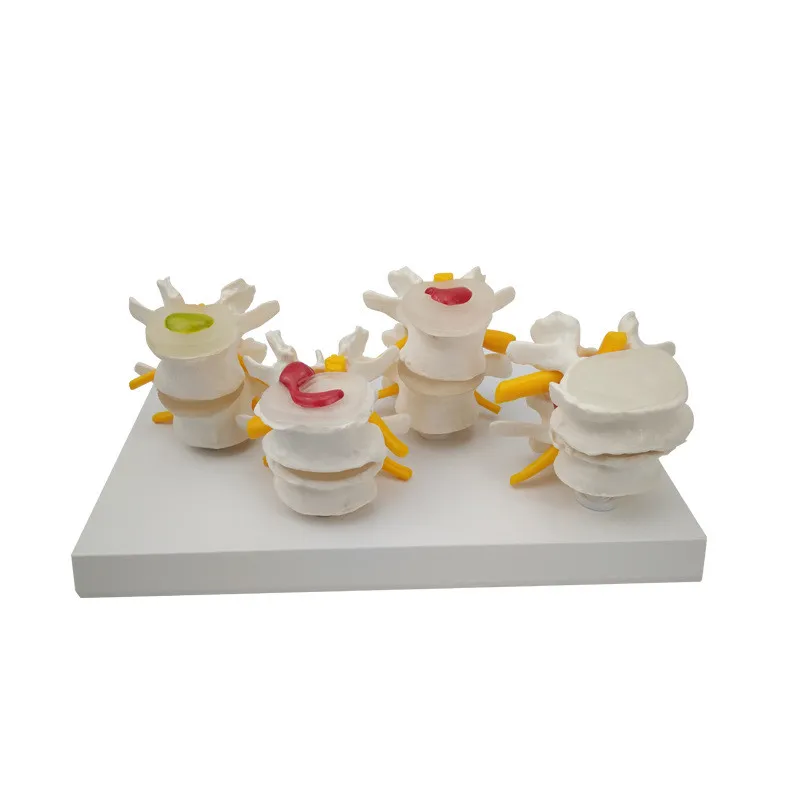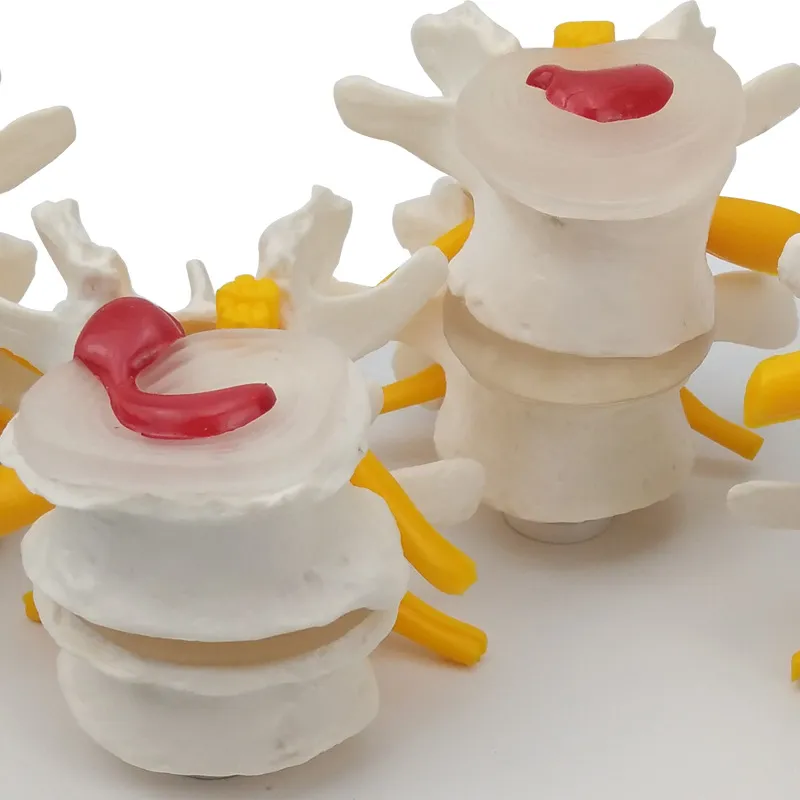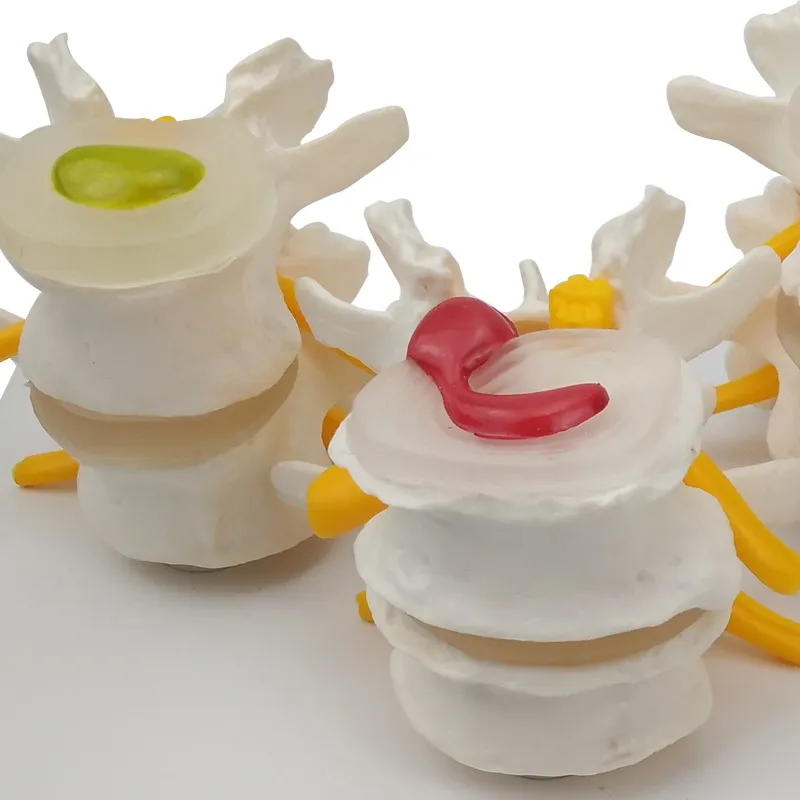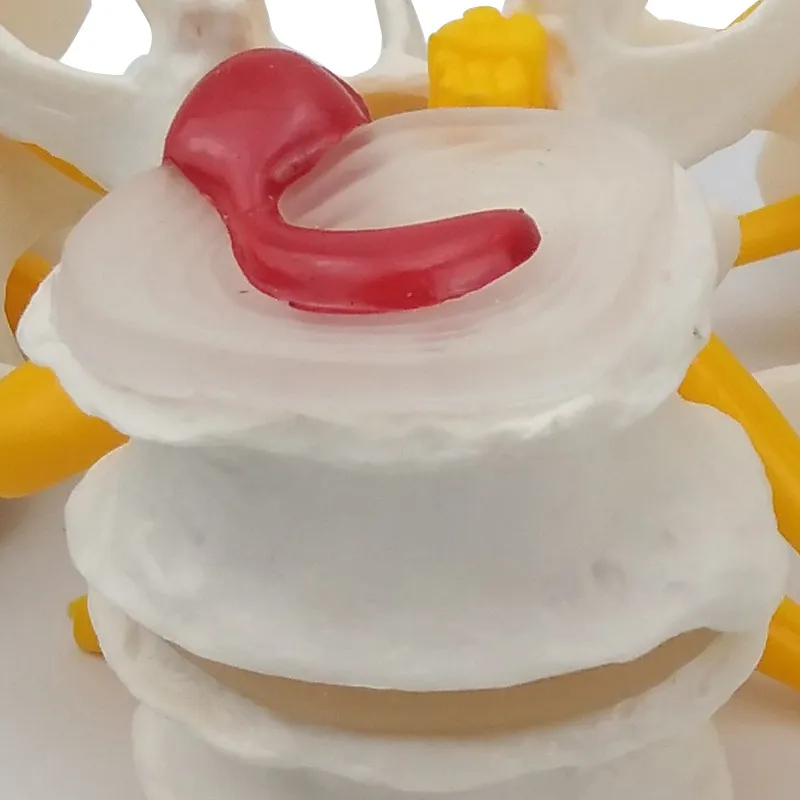
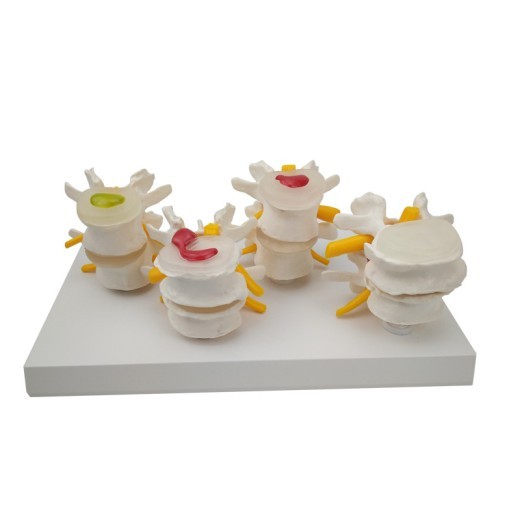
4-Stage Diseased Lumbar Spine Model Medical Teaching Equipment
$70.39 AUD
Approx $49.63 USD
Description:
Introduction to the 4-Stage Diseased Lumbar Spine Model
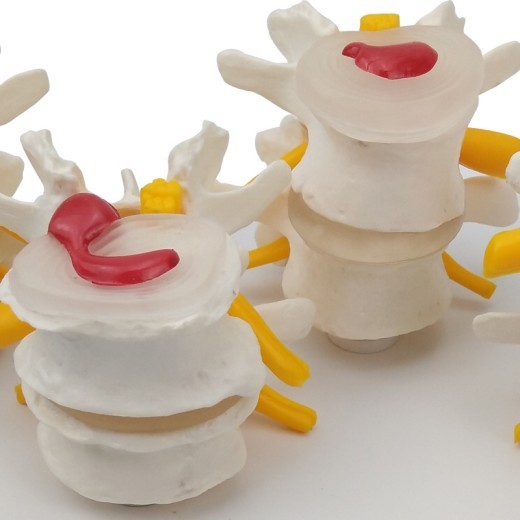
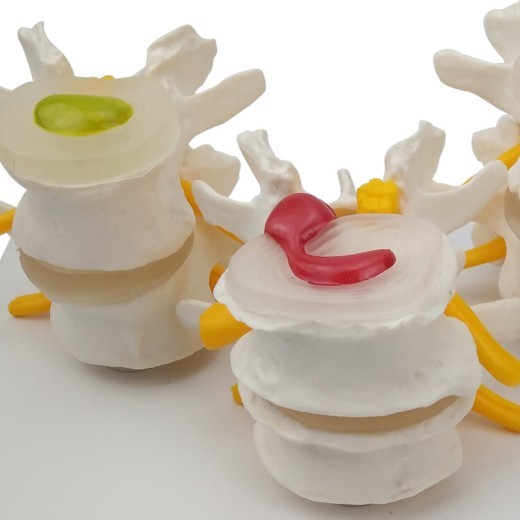
The 4-Stage Diseased Lumbar Spine Model provides a detailed and progressive view of lumbar spine degeneration, offering insights into common conditions affecting spinal health. This model is an essential tool for medical students, chiropractors, physical therapists, and healthcare professionals studying spine anatomy, degeneration, and related conditions. By showcasing four distinct stages of degeneration, this model aids in understanding the progression of spinal diseases such as herniated discs, osteoarthritis, and bone spurs. Ideal for classrooms, clinics, and patient education settings in New Zealand, the model offers a realistic and hands-on way to study lumbar spine health and pathology.
H2: Key Features of the 4-Stage Diseased Lumbar Spine Model
1. Progressive Degeneration Stages for Comprehensive Learning
This model depicts the lumbar spine in four distinct stages, showing the progression from healthy vertebrae to advanced degeneration. Each stage includes changes such as disc thinning, vertebral compression, and the appearance of bone spurs. This progression offers a comprehensive look at how spinal health can deteriorate over time due to age, injury, or chronic conditions, making it ideal for learning about degenerative spine diseases.
2. Realistic Representation of Common Spine Conditions
Each stage demonstrates common conditions affecting the lumbar spine, such as herniated discs, osteoarthritis, spinal stenosis, and degenerative disc disease. This feature helps users visualize the physical changes that occur in the spine with each condition, enhancing understanding of how these ailments impact spine function and quality of life.
3. Color-Coded and Labeled Vertebrae for Easy Identification
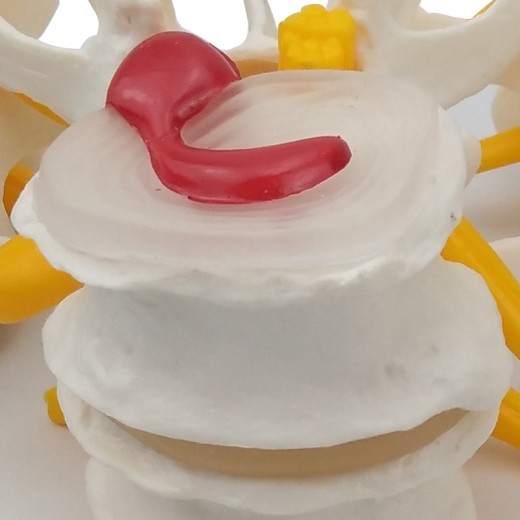
The model often includes color-coded or labeled sections to distinguish between healthy and diseased vertebrae, as well as anatomical changes at each stage. This color-coding aids in the identification of structural alterations, helping learners easily recognize and understand each stage of degeneration. This feature is particularly helpful for visual learners and those new to spine anatomy.
4. Durable and High-Quality Materials for Frequent Use
Constructed from high-quality, non-toxic materials, this model is built to withstand regular handling in educational and clinical settings. Its sturdy design ensures it maintains detail over time, making it a reliable tool for anatomy classrooms, physical therapy centers, and chiropractic clinics across New Zealand. The durability ensures it serves as a valuable educational resource for long-term use.
5. Mounted on a Stable Base for Display and Demonstration
The model is mounted on a stable base, keeping it secure during study sessions or demonstrations. The display-ready design allows for easy placement on desks, tables, or counters, making it ideal for group learning, patient consultations, or clinic displays. This stable base supports hands-on interaction, allowing users to explore each stage of spinal degeneration.
H2: Why Choose the 4-Stage Diseased Lumbar Spine Model?
1. Essential for Anatomy and Orthopedic Education
This model is invaluable for teaching lumbar spine anatomy and the progression of degenerative diseases. By showcasing four stages of degeneration, it helps students and professionals understand how conditions like osteoarthritis and herniated discs develop over time. For students in New Zealand’s medical and health sciences programs, this model bridges the gap between textbook knowledge and real-life pathology.
2. Ideal for Physical Therapy and Chiropractic Training
In physical therapy and chiropractic training programs, this model provides crucial insights into common spinal issues, allowing trainers to discuss the impact of degeneration on mobility, flexibility, and pain. The model can be used to explain how physical therapy or chiropractic adjustments might address certain spinal conditions, making it ideal for practitioners focused on improving spine health.
3. Supports Visual and Kinesthetic Learning
The model caters to both visual and kinesthetic learners, offering a hands-on experience that enhances understanding. The color-coded vertebrae support visual learning by defining healthy and degenerated areas, while the realistic design allows kinesthetic learners to interact with the model, making complex spine pathology easier to grasp.
4. Useful for Patient Education in Clinical Settings
This model is invaluable for patient education, helping healthcare providers explain spinal degeneration and the importance of preventative care. Patients can see the stages of degeneration visually, improving their understanding of conditions like sciatica or lower back pain and supporting informed decision-making regarding treatment options.
5. Educational Display for Clinics and Classrooms
Beyond its educational value, the 4-Stage Diseased Lumbar Spine Model serves as an informative display in clinics, classrooms, and health centers. In medical and chiropractic environments, it provides a visual aid for discussing spinal health, reinforcing the importance of spine care and lifestyle choices in maintaining spinal health.
H2: Maintenance and Care Tips for Your 4-Stage Diseased Lumbar Spine Model
To keep your model in excellent condition, follow these care tips:
-
Dust Regularly: Use a soft cloth or brush to remove dust from the model, particularly around detailed areas and joints.
Regular cleaning helps maintain the model’s appearance and prevents dirt buildup.
-
Avoid Direct Sunlight: Display the model out of direct sunlight to prevent colors from fading over time, preserving its
visual appeal and quality.
-
Handle with Care: Although durable, handle the model gently to avoid damaging small or intricate structures, especially if
used frequently in demonstrations.
- Store Properly When Not in Use: When the model is not on display, store it in its original packaging or a dust-free area to protect it from potential damage. Proper storage helps extend the model’s lifespan for long-term educational use.
Product information:
Product Name: Lumbar Model
Material: soft material
Craft: meticulous workmanship
Details: perfect details
Ideal model