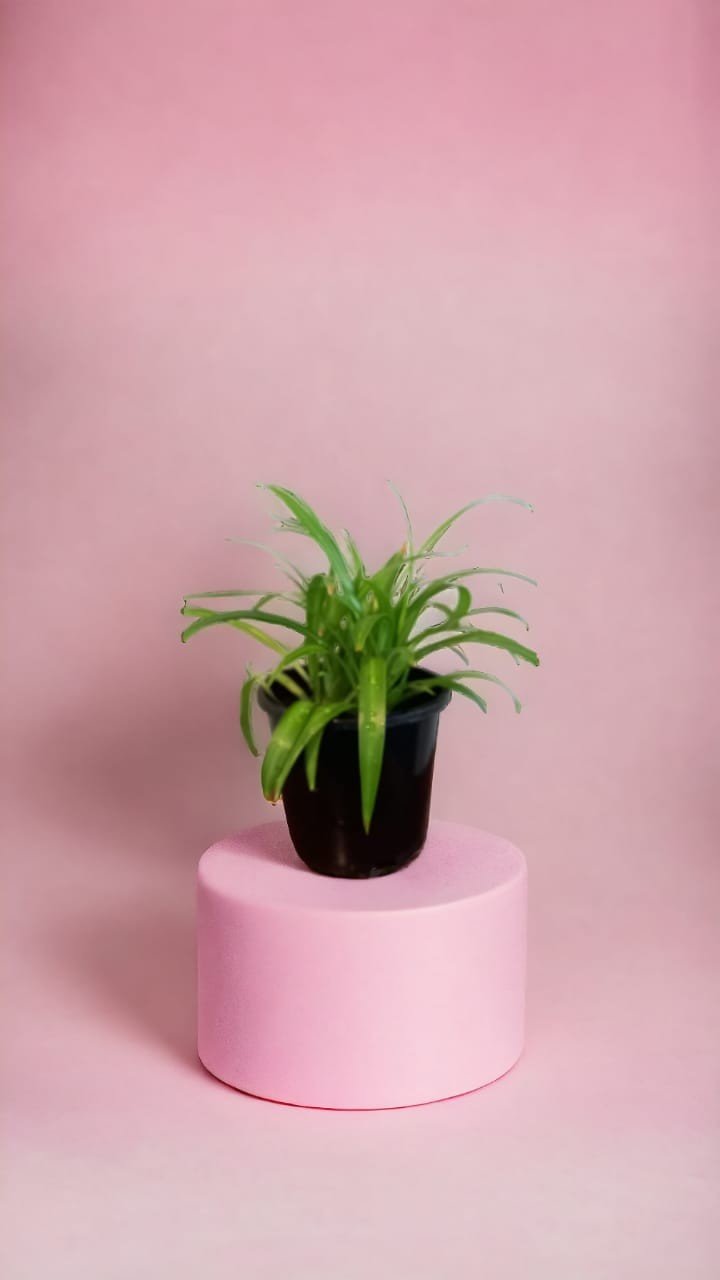
Ribbon Plant or Spider plant
$19.99 AUD
Approx $14.09 USD
Description:
Growing and caring for a spider plant, scientifically known as Chlorophytum comosum, can be a gratifying experience due to its fast growth,
unique appearance, and air-purifying qualities. Here's a comprehensive guide to help you cultivate this popular indoor plant:
What You Need to Know About Spider Plants:
- Common Names: Spider plant, hen and chickens.
- Scientific Name: Chlorophytum comosum.
- Height and Spread: Can reach up to 60cm in both height and spread in pots; similar sizes apply when planted in the ground.
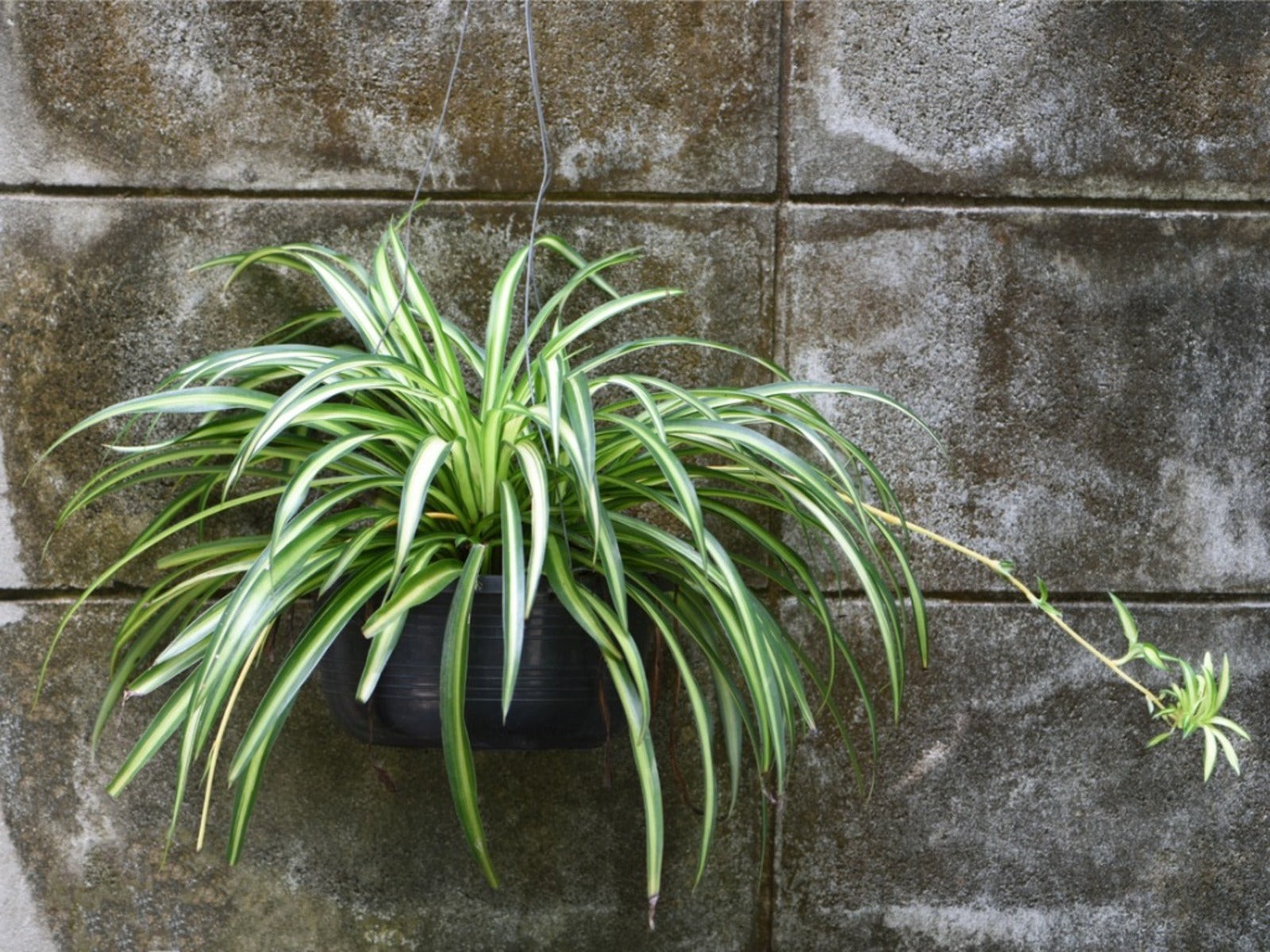
- Foliage: Features ribbon-like, mid-green or variegated leaves.
- Climate: Thrives from tropical to cool temperate climates.
- Soil: Prefers well-drained soils.
- Position: Best in bright, indirect light.
- Flowering: Exhibits small, greenish-white flowers, leading to the production of plantlets.
- Feeding: Apply controlled-release fertiliser as per the product's instructions.
- Watering: Prefers moist but not waterlogged soil; tolerates dry conditions.
Appearance and Characteristics:
The spider plant is known for its lush, strappy leaves and its ability to efficiently clean the air. Its arching stems produce small white-green flowers and subsequent plantlets or 'spiderettes,' which can root and grow into new plants upon contact with soil, contributing to its rapid spread.
How to Plant and Grow:
-
Container Gardening: Due to its spreading nature, growing in a pot or hanging basket is advisable to prevent it from
becoming invasive. Choose a sizeable pot with good drainage and use a high-quality potting mix.
-
Propagation: Easily done by cutting off plantlets and placing them in water or directly into potting soil, where they will
quickly develop roots.
- Location: Indoors or outdoors in shade; avoid direct sunlight to prevent leaf burn.
Care Instructions:
-
Watering: Keep the soil moist but not soggy. Allow the top inch of soil to dry out between waterings. Reduce watering in
winter.
-
Feeding: Fertilize once a year in spring with a controlled-release fertilizer. Overfeeding is unnecessary and can harm the
plant.
- Pruning: Trim back arching stems and remove excess plantlets in autumn to control growth and spread.
-
Pest and Disease Management: Generally resilient, but watch for brown leaf tips, which may indicate fluoride or chlorine
exposure from tap water. Use rainwater or filtered water if this occurs.
Additional Tips:
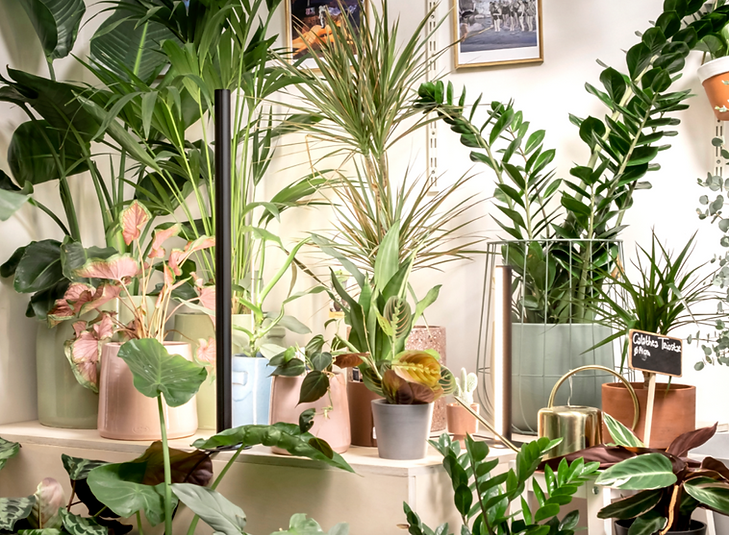
- Companion Plants: Consider pairing your spider plant with other easy-care indoor plants such as peace lilies, anthuriums, or mother-in-law's tongue for varied textures and added air purification.
- Environment: Spider plants are excellent for improving indoor air quality by filtering out pollutants, making them ideal for office spaces, living areas, and bedrooms.
Start Growing Today:
Embrace the spider plant for its minimal care requirements, aesthetic appeal, and health benefits. Whether you're a seasoned gardener or a novice, this resilient plant can add life and greenery to any space without demanding much in return. Remember, with just a little care, your spider plant can thrive and become a lively addition to your indoor garden