Self-taught playing musical instruments
$38.39 AUD
Approx $27.07 USD
Description:
Self-Taught Playing Musical Instruments – Discover the Joy of Independent Learning
Embark on a musical journey with self-taught playing musical instruments, an accessible and rewarding way to explore your creativity and develop a lifelong skill. With modern resources like online tutorials, apps, and instructional books, learning an instrument on your own has never been easier. Whether you're a beginner or looking to expand your musical repertoire, self-teaching allows you to learn at your own pace and tailor your experience to your interests.
Popular Self-Taught Instruments
-
Guitar
- Acoustic, electric, or classical, the guitar is a versatile instrument suited for a wide range of genres. With countless tutorials available online, it’s a favorite for self-teaching.
- Popular choices: Fender Acoustic, Yamaha Classical, or affordable starter kits.
-
Piano or Keyboard
- With beginner-friendly digital keyboards or traditional pianos, you can learn basic chords, melodies, and songs through apps like Simply Piano or YouTube tutorials.
- Recommended: 61-key beginner keyboards or rollable portable pianos for affordability and convenience.
-
Ukulele
- Small, portable, and easy to learn, the ukulele is perfect for beginners looking for a light and fun introduction to music.
- Ideal starter option: Soprano ukuleles with chord guides.
-
Hand Drums and Cajóns
- Percussion instruments like cajóns or djembe drums are intuitive and rhythm-focused, making them excellent for self-teaching.
- Try basic rhythm exercises and improvisation for creative exploration.
-
Flute or Recorder
- Wind instruments like flutes or recorders are compact, affordable, and great for self-paced learning.
- Start with simple scales and melodies before advancing to complex pieces.
-
Harmonica
- Easy to carry and versatile across blues, rock, and folk genres, the harmonica is a beginner-friendly choice.
- Many self-teaching books and video tutorials make it simple to get started.
-
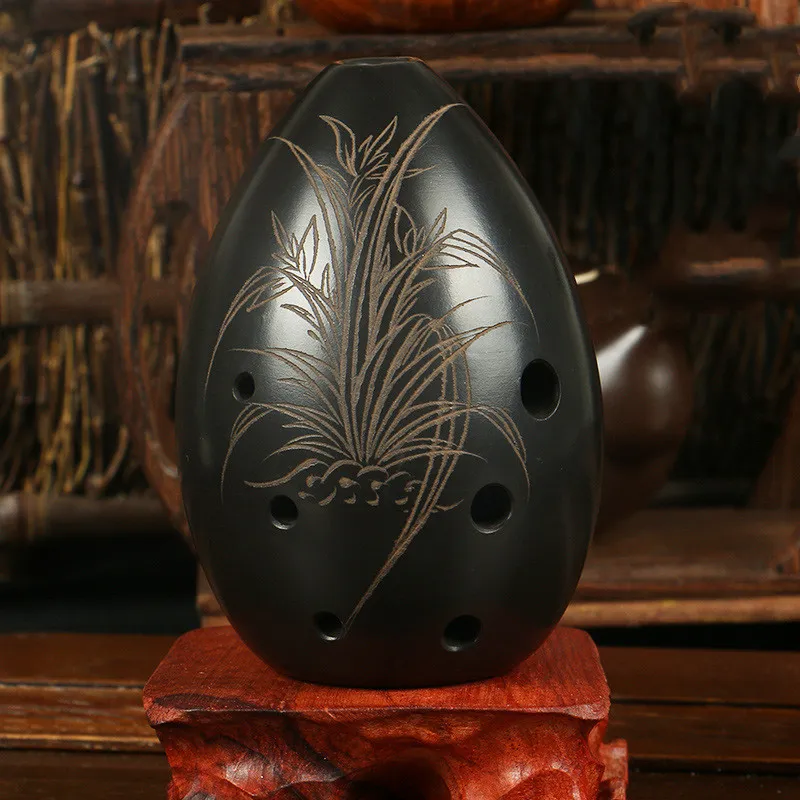
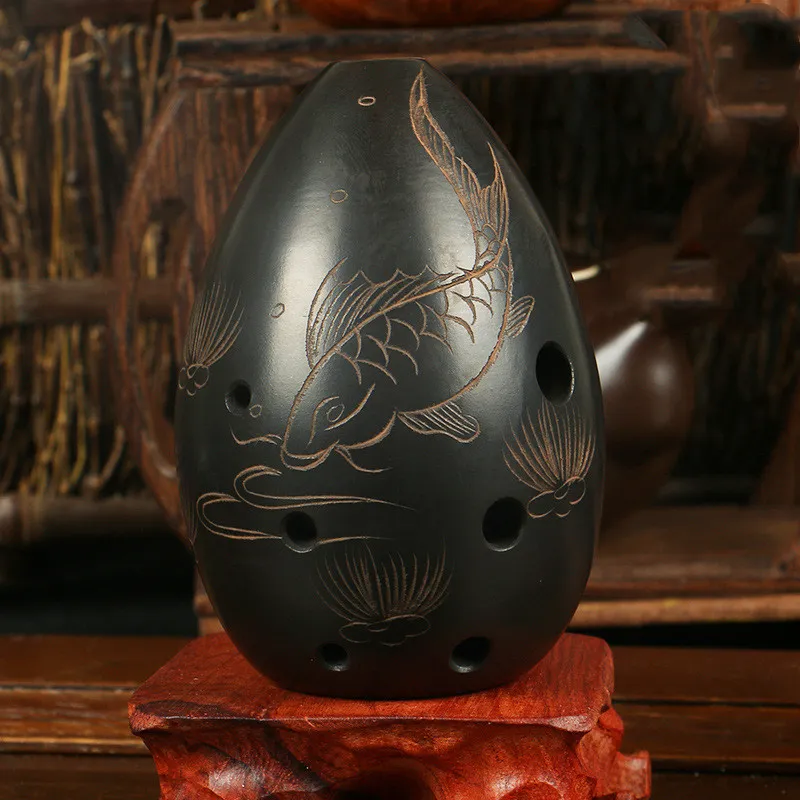
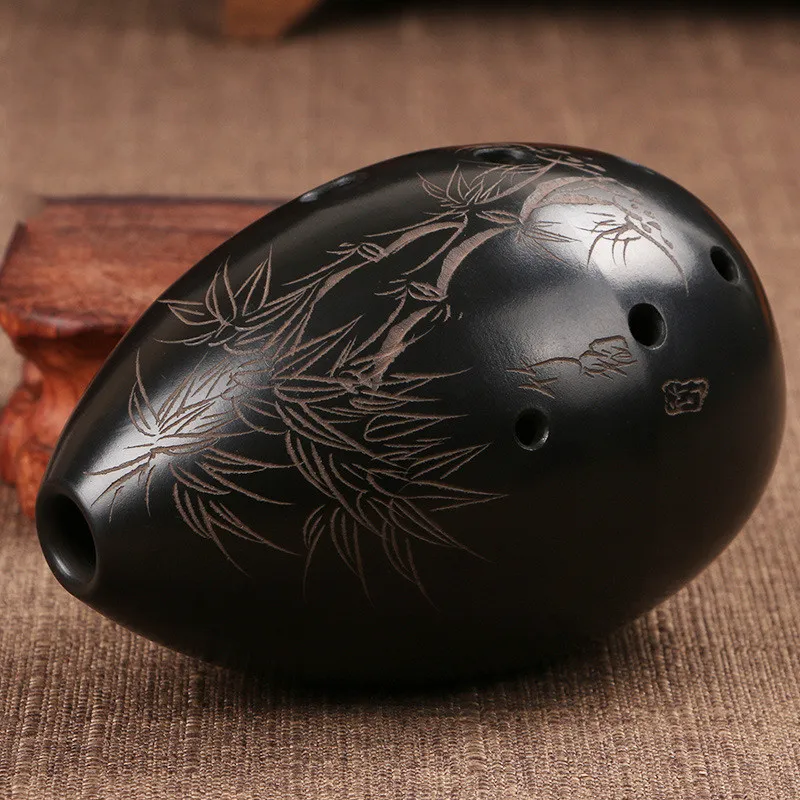
Ocarina or Pottery Flute
- These niche, ancient-style instruments are intuitive and fun to play, with a distinct, soothing sound.
- Often accompanied by instructional guides or sheet music tailored for beginners.
Benefits of Self-Taught Musical Instruments
-
Flexible Learning Schedule
Learn at your own pace, fitting practice sessions around your lifestyle.
-
Cost-Effective
Save on formal lessons with free or affordable resources like apps, video tutorials, and self-teaching books.
-
Personalized Approach
Focus on the genres, songs, and techniques you enjoy most without adhering to a rigid curriculum.
-
Immediate Satisfaction
Play simple melodies or chords early in your learning journey, boosting motivation and confidence.
-
Develops Independence and Creativity
Explore music creatively and problem-solve independently, honing your skills in a unique, personal way.
Tips for Self-Teaching Success
-
Set Clear Goals
Decide what you want to achieve, such as mastering a song, learning scales, or developing improvisation skills.
-
Create a Practice Routine
Consistency is key. Dedicate at least 15–30 minutes daily to practice.
-
Use Technology
Leverage apps, YouTube channels, and online courses tailored for self-learners. Popular tools include Yousician, Ultimate Guitar, and Simply Piano.
-
Start Simple
Focus on basic techniques and beginner-friendly songs before advancing to complex pieces.
-
Join Online Communities
Connect with other self-learners for advice, tips, and inspiration through forums, social media groups, or local meetups.
-
Record Your Progress
Use your phone or a simple recording device to track improvement over time and identify areas for growth.
-
Invest in Quality Instruments
Choose beginner-friendly yet reliable instruments to ensure a positive playing experience.
Why New Zealanders Embrace Self-Taught Instruments
New Zealand’s vibrant music culture inspires many to explore instruments independently. From the creative energy of Wellington to the laid-back charm of Auckland, Kiwis love blending technology, resources, and self-motivation to learn music on their terms. Whether it’s strumming a guitar by the beach or mastering the piano at home, self-teaching offers a personalized path to musical expression.
Recommended Starter Kits for New Zealand Learners
-
Guitar Starter Bundle
- Includes an acoustic guitar, picks, tuner, and beginner’s guidebook.
- Price: $150–$250 NZD.
-
Keyboard Kit
- A 61-key portable keyboard with built-in lessons, headphones, and a sustain pedal.
- Price: $200–$300 NZD.
-
Ukulele Beginner Set
- Features a soprano ukulele, digital tuner, and chord chart.
- Price: $50–$100 NZD.
-
Percussion Pack
- Compact cajón or hand drum with rhythm exercises and a carrying case.
- Price: $100–$200 NZD.
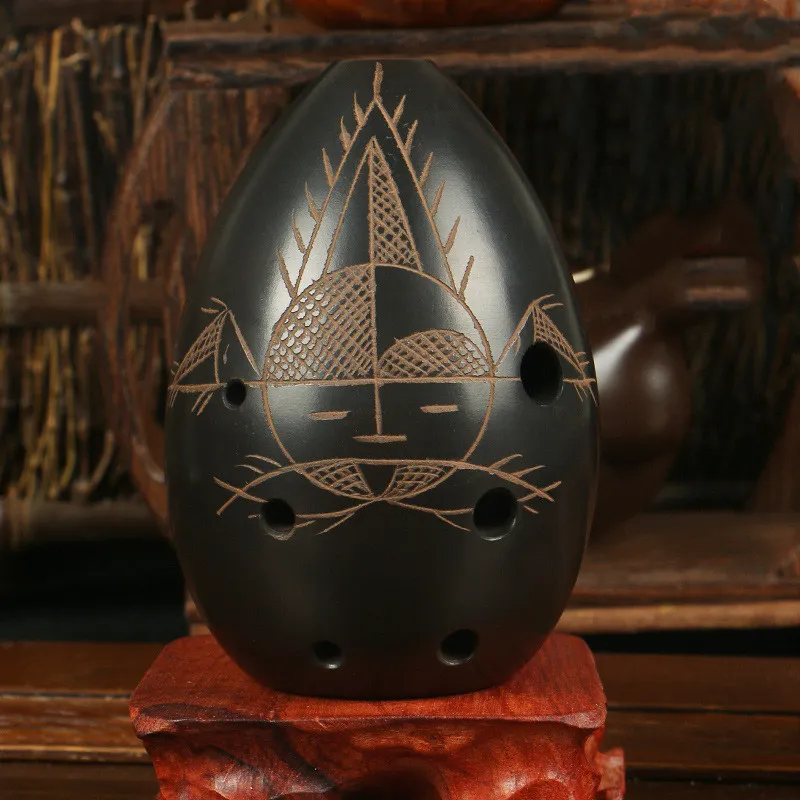
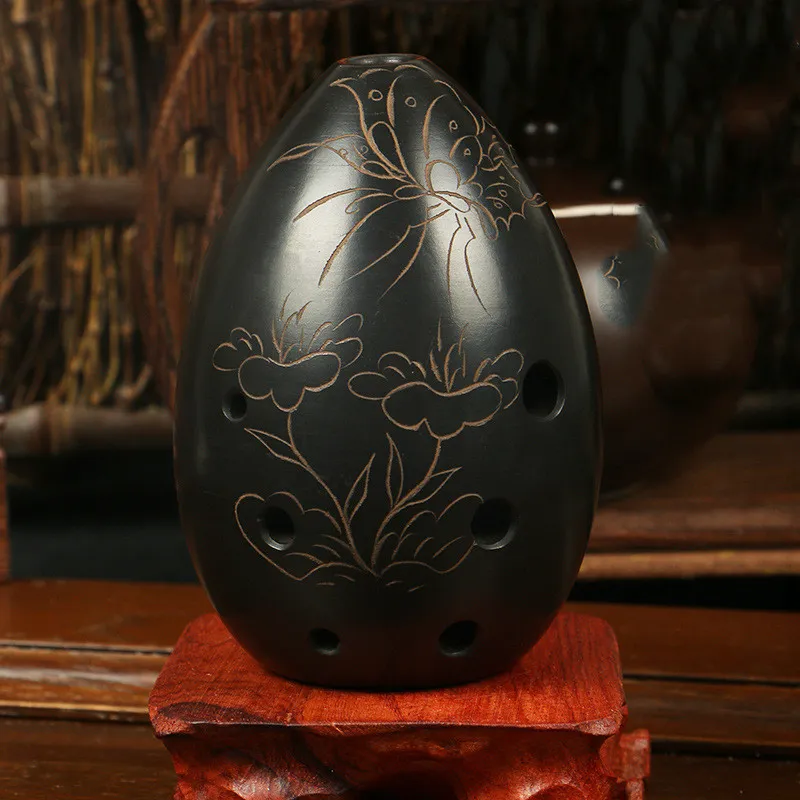
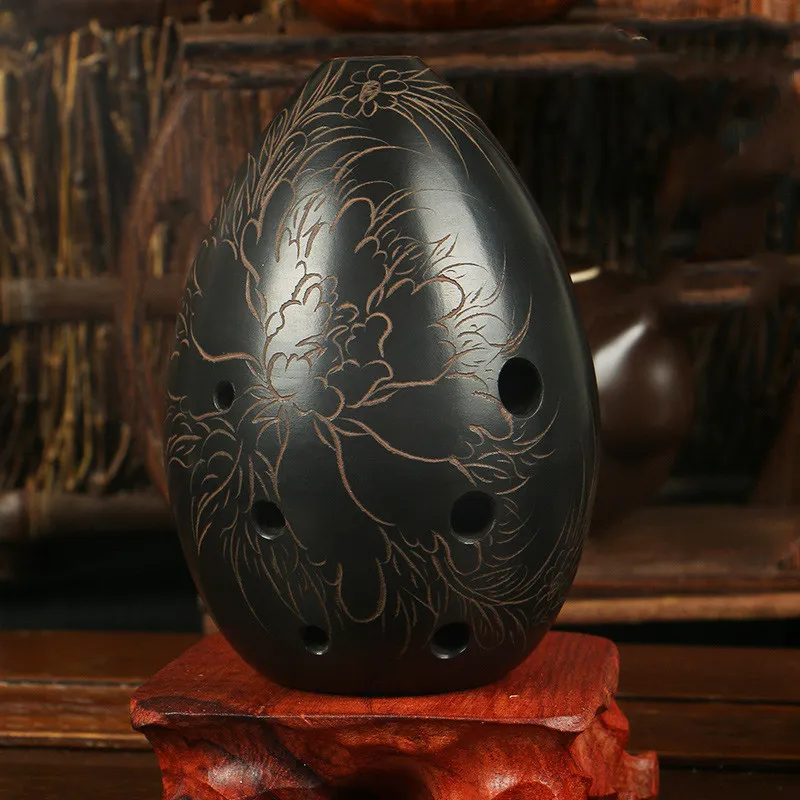
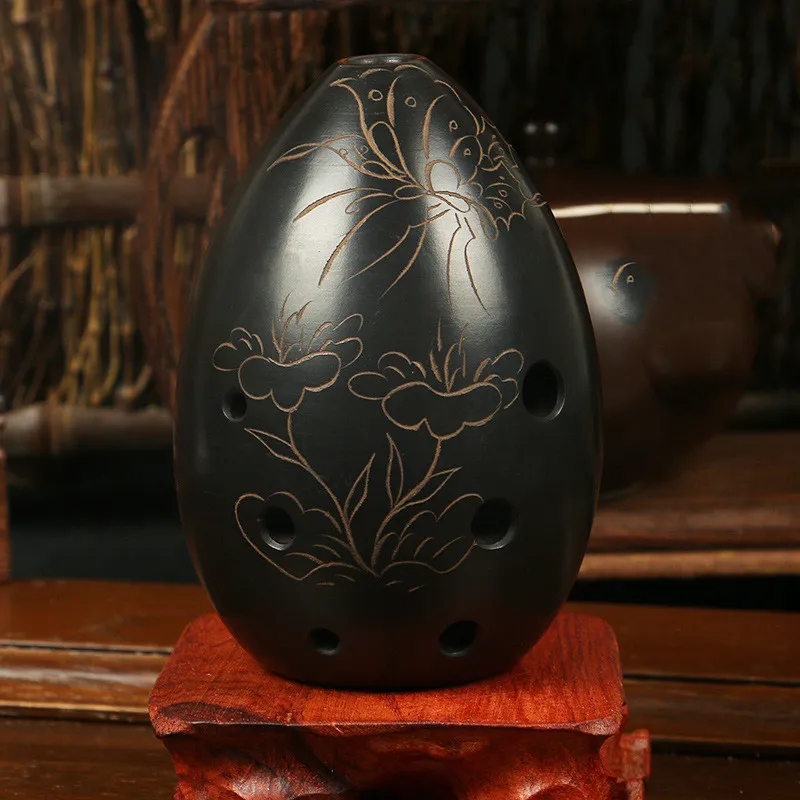
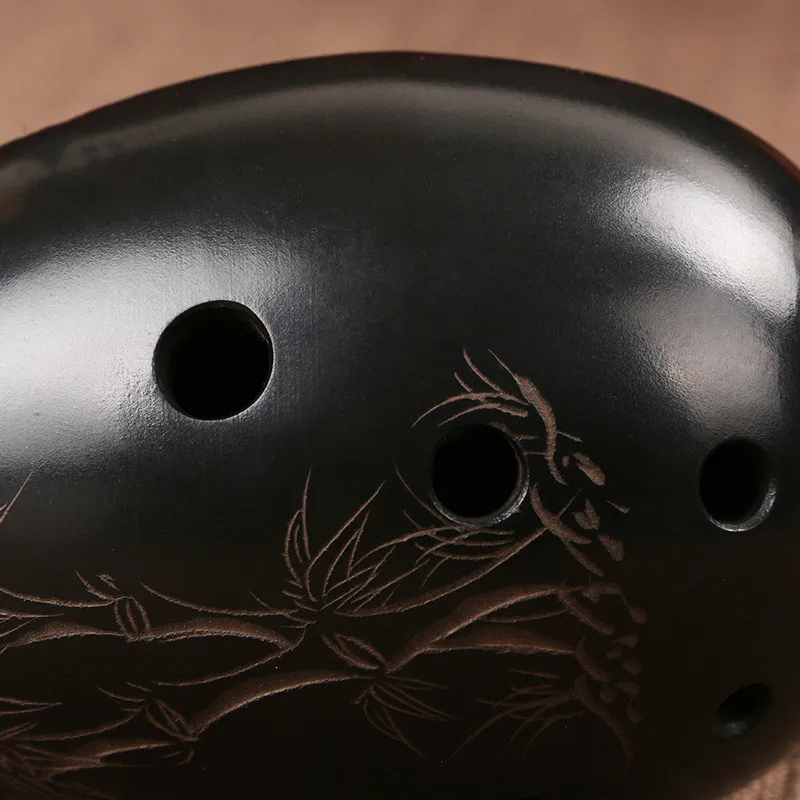
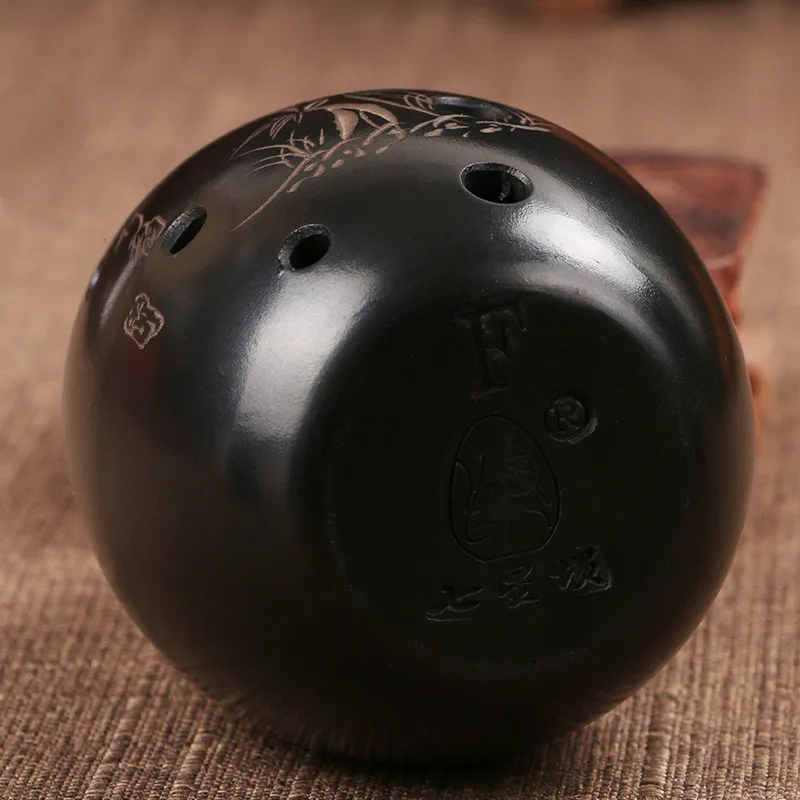
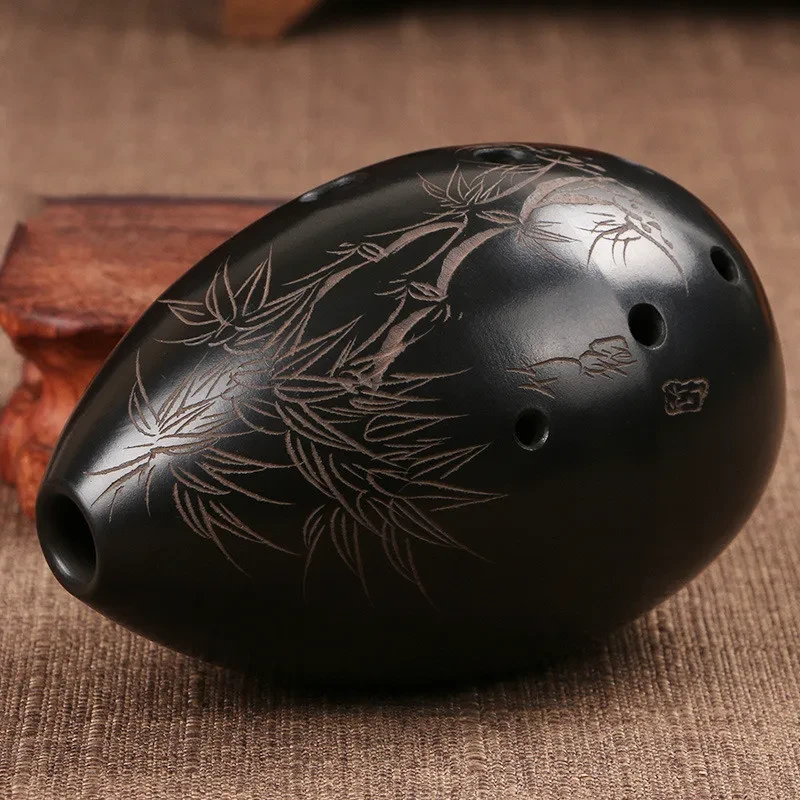
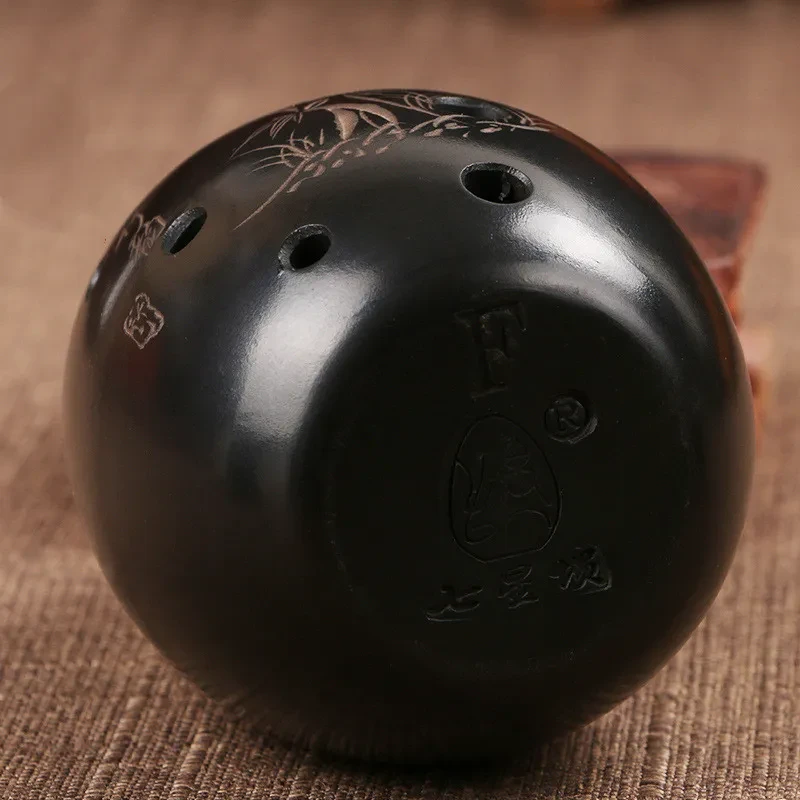
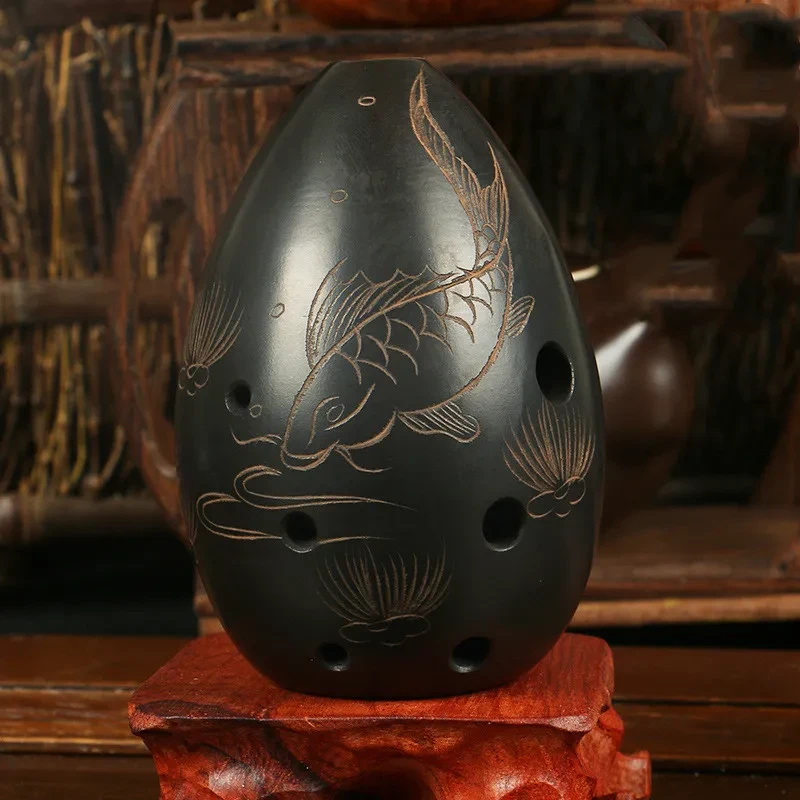
Name: Eight-hole pear-shaped xun
Level: beginner practice playing
Pattern: Hand-made single-line engraving technique/fantastic rock pattern
Process: medium and low temperature firing/washing without worry
Tonality: Tube F, Major C
Specification: 7x10cm/ 7.5x11cm、
1: Clear water lotus
2: Hemudu human face fish pattern
3: National color peony
4: Yuyou Hao Shang
5: First grade bamboo section
6: Ming Vanilla