
Brass Instruments
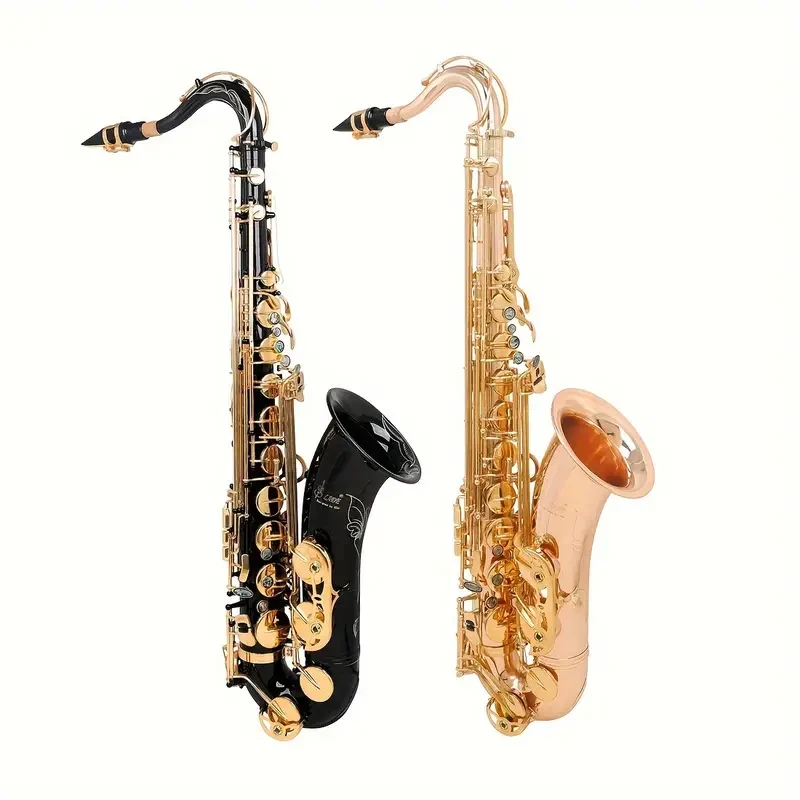
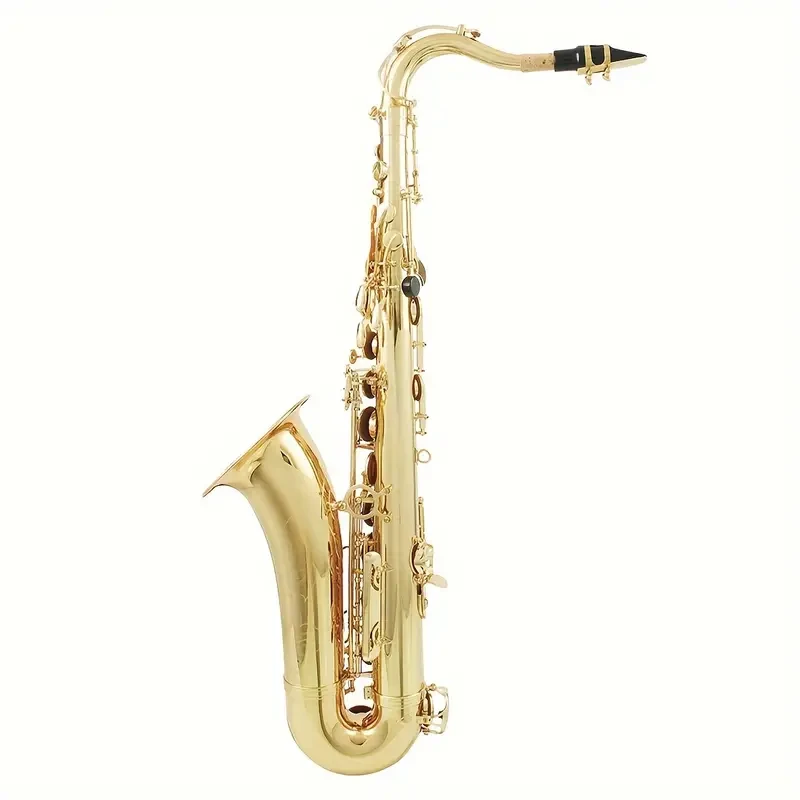
LADE Tenor Saxophone for Pros: Elegant Brass Body, Polished, Engraved White Shell Keys - Elevate Your Performance
Approx $435.85 USD
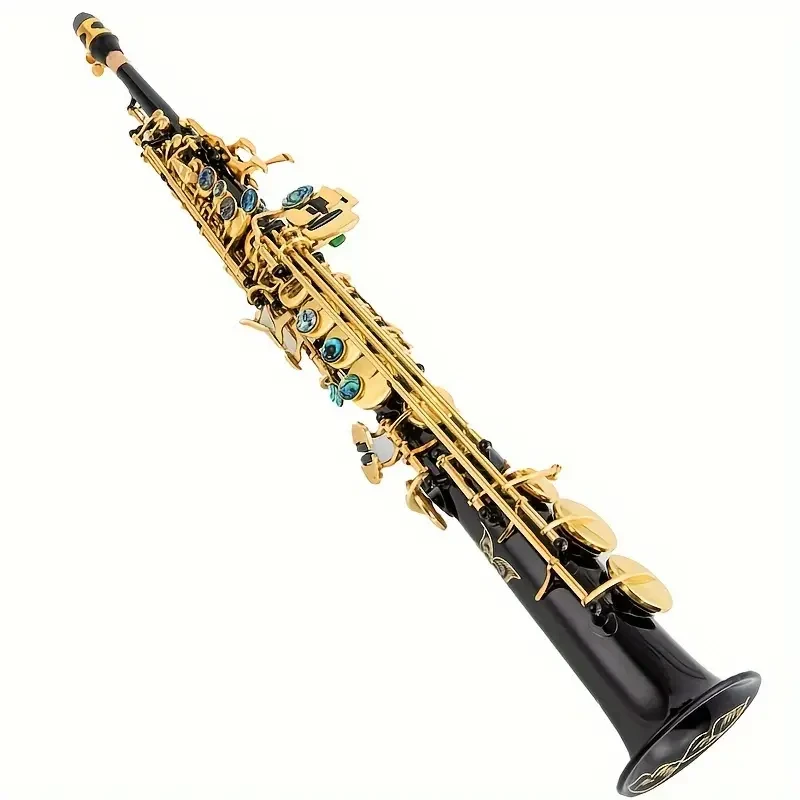
Y-82Z Bb Soprano Saxophone Straight Black Gold Key Sax Instruments For Beginners Students Intermediate Players With Carrying Case, Mouthpiece, Pads, Reed, Cleaning Kit, neck Strap, White Gloves
Approx $357.12 USD
Brass instruments have been a key part of music for centuries, offering a bold, rich, and powerful sound that has earned them a prominent place in orchestras, bands, and solo performances. These instruments are made primarily of brass, producing sound through the vibration of the player’s lips as they blow air into the instrument. Brass instruments are widely used in many genres of music, from classical to jazz and even popular music.
In New Zealand, brass instruments are an essential part of the music culture, with many schools, universities, and music groups embracing these instruments. Whether you are considering picking up a brass instrument for the first time or looking to expand your musical knowledge, understanding the different types of brass instruments and how to play them is key to fully appreciating their role in music.
This comprehensive guide will walk you through the different types of brass instruments, their history, how to play them, and the key features that make them unique. Whether you're a complete beginner or a more advanced player looking to deepen your knowledge, this guide will help you understand the mechanics of brass instruments and the nuances of playing them.
Key Features of Brass Instruments
-
Material and Construction: Brass instruments are made of brass, a metal alloy that gives these instruments their
distinctive sound. The design of the instrument, including its shape and valves, plays a significant role in the quality of sound it
produces.
-
Distinctive Sound: Brass instruments are known for their powerful, resonant sound. The sound is produced when the player’s
lips vibrate inside the mouthpiece, sending air into the tubing of the instrument. The shape of the instrument determines the pitch and tone
of the sound.
-
Valves and Slides: Many brass instruments, such as trumpets and trombones, use valves or slides to change the pitch. The
valves are used to alter the length of the tubing, creating a variety of notes and tones. In contrast, the trombone uses a slide mechanism
to adjust its pitch.
-
Wide Range of Genres: Brass instruments are versatile and can be used in a wide range of musical genres, from classical
orchestras and marching bands to jazz ensembles and contemporary music.
-
Physical Requirements: Playing a brass instrument requires good breath control and embouchure (the way a player uses their
mouth to create sound). Developing proper techniques is essential for producing a clean, consistent sound and maintaining stamina during
longer performances.
Types of Brass Instruments
Brass instruments come in many shapes and sizes, each offering a unique range of sound and playing style. Here are some of the most common
types of brass instruments:
Trumpet
The trumpet is one of the most popular brass instruments and is widely recognized for its bright, brilliant sound. With three valves, the trumpet is capable of playing a wide range of notes and is used in a variety of music genres, from classical orchestras to jazz and contemporary music.
-
Sound Characteristics: The trumpet produces a sharp, piercing tone that can be both powerful and delicate. It is often used
for melodic lines and high-register playing.
-
Playing Technique: Trumpet players use a combination of breath control and finger movements on the valves to create
different notes. Proper embouchure is also crucial for producing a clean, focused sound.
-
Famous Uses: The trumpet is a staple in jazz, with legendary players like Louis Armstrong and Miles Davis helping to define
the genre.
Trombone
The trombone is distinctive because of its long slide, which allows players to change the pitch smoothly by moving the slide in and out. This gives the trombone its characteristic sound, capable of glissandos (sliding between notes) and creating a wide range of tones.
-
Sound Characteristics: The trombone has a rich, full sound with both powerful low tones and bright high notes. It is often
used in orchestral settings as well as in jazz and brass bands.
-
Playing Technique: Players adjust the pitch of the trombone by moving the slide, while also using breath control and
embouchure to achieve the desired sound.
-
Famous Uses: The trombone is an integral part of jazz bands, with players such as J.J. Johnson and Glenn Miller becoming
famous for their trombone performances.
French Horn
The French horn is a highly versatile instrument that is known for its mellow, smooth tone. It has a circular shape and uses valves to change pitch. The French horn is often used in orchestras and has a wide range of both soft and loud sounds.
-
Sound Characteristics: The French horn has a warm, rich tone that can blend well with strings and woodwinds. It has a
powerful low register and a bright, piercing high register.
-
Playing Technique: Players use a combination of breath control and hand placement inside the bell to control the pitch and
tone. Proper embouchure and lip control are important for achieving a clear sound.
-
Famous Uses: The French horn is often featured in classical music, with famous composers like Richard Strauss and Gustav
Mahler writing extensive parts for the instrument.
Tuba
The tuba is the largest and lowest-pitched brass instrument. It plays the bass line in brass ensembles and orchestras, providing depth and foundation to the music. With its large size, the tuba requires significant breath control and physical strength to play.
-
Sound Characteristics: The tuba has a deep, resonant sound that anchors the harmonic structure of the music. Its low,
rumbling tones provide a rich foundation, often used in orchestral and marching band settings.
-
Playing Technique: Players use the valves to adjust the pitch, and breath control is essential for producing a smooth,
consistent sound.
-
Famous Uses: The tuba is a critical part of orchestras, brass bands, and military bands. It is also used in jazz, where its
low register can provide a unique harmonic support.
Euphonium
The euphonium is a smaller, more compact version of the tuba, with a similar warm, deep sound. It is often used in brass bands and smaller ensembles, and it plays a crucial role in producing a rich middle register.
-
Sound Characteristics: The euphonium has a mellow, lyrical sound that can easily blend with other brass instruments. Its
tone is smoother than that of the tuba but still provides a deep, resonant quality.
-
Playing Technique: Euphonium players use valves to change the pitch and must master breath control to create a smooth,
consistent sound.
-
Famous Uses: The euphonium is often featured in brass band music and is also used in orchestral and solo performances.
Cornet
The cornet is similar to the trumpet but has a more mellow tone. It is often used in brass bands and orchestras, where it plays a similar role to the trumpet but with a softer, more rounded sound.
-
Sound Characteristics: The cornet produces a bright, warm sound with a slightly more mellow tone than the trumpet. It is
ideal for playing both melodic lines and harmonic support.
-
Playing Technique: Like the trumpet, the cornet uses three valves to change pitch and requires good embouchure for clean
note production.
-
Famous Uses: The cornet is commonly used in brass band music and has historical significance in military and brass band
traditions.
How to Play Brass Instruments
Playing a brass instrument requires good technique, breath control, and practice. Here are some fundamental aspects of learning to play
brass instruments:
1. Developing Proper Embouchure
Embouchure refers to the way you position your mouth and lips when playing a brass instrument. A proper embouchure is essential for producing a clear, consistent sound. Each instrument has its own embouchure requirements, but in general, the lips should vibrate within the mouthpiece to produce sound. Proper embouchure helps prevent strain and allows for better sound control.
2. Breath Control
Brass players rely heavily on breath control to sustain notes and produce a clean, resonant sound. Deep, diaphragmatic breathing is essential for achieving maximum volume and tone. Regular practice can help build lung capacity and improve breath support.
3. Finger and Slide Techniques
For instruments with valves (like the trumpet, French horn, and euphonium), learning to coordinate finger movements is key to producing different pitches. For the trombone, mastering the slide technique is crucial for smooth transitions between notes. Both require careful training to master, as timing and precision are key.
4. Regular Practice
Like all musical instruments, brass instruments require regular practice to improve technique and stamina. Consistent daily practice will help develop your embouchure, breath control, and overall sound production. Focused exercises that target specific aspects of playing, such as lip slurs or range extension, are essential for progress.
Benefits of Learning Brass Instruments
Learning to play a brass instrument offers numerous benefits, both musically and personally. Here are some of the advantages of playing
brass instruments:
1. Building Confidence
Brass instruments require significant effort and discipline to play well, but mastering them can be incredibly rewarding. Successfully learning to play a brass instrument can boost your confidence and provide a sense of accomplishment.
2. Enhancing Musical Skills
Playing brass instruments improves your understanding of music theory, rhythm, and harmony. Brass players learn how to read sheet music, recognize intervals, and work as part of an ensemble, all of which contribute to a deeper appreciation for music.
3. Strengthening Social Skills
Brass instruments are often played in groups, such as orchestras, brass bands, or jazz ensembles. Playing with others promotes teamwork, communication, and the ability to collaborate musically, all of which are valuable skills in both musical and non-musical settings.
4. Physical and Mental Benefits
Playing brass instruments improves physical coordination, lung capacity, and muscle control, as well as strengthening mental focus and concentration. The act of learning an instrument also enhances memory, cognitive function, and emotional expression.
Why Choose Brass Instruments in New Zealand?
Brass instruments are an integral part of New Zealand’s music scene, with brass bands and orchestras playing a significant role in both
professional and community music. Whether you're interested in playing in a brass band, joining an orchestra, or exploring jazz and
contemporary genres, brass instruments offer a diverse range of opportunities for musicians in New Zealand.
Enter your content here