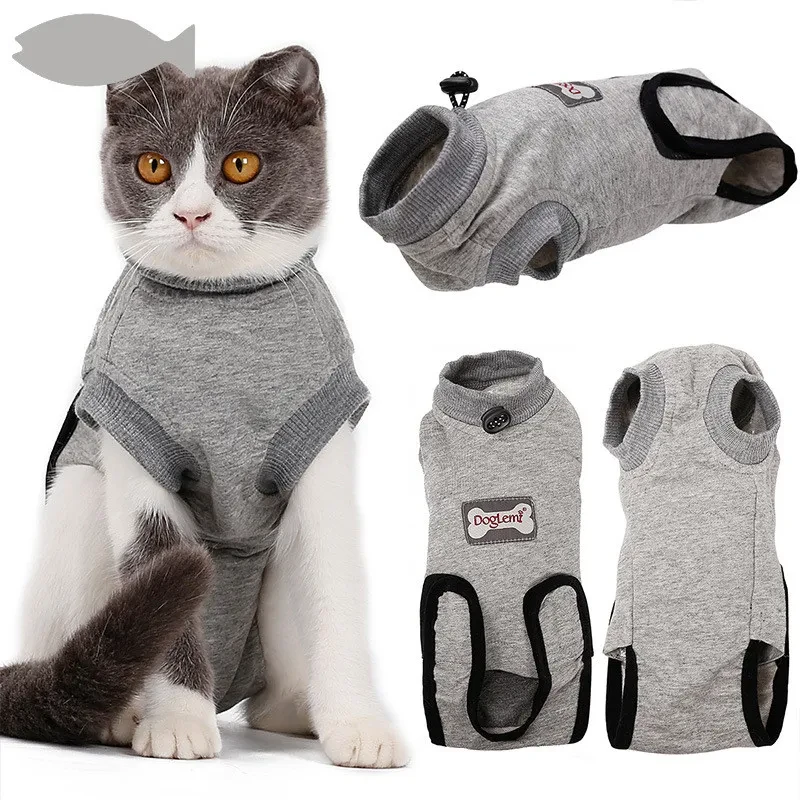
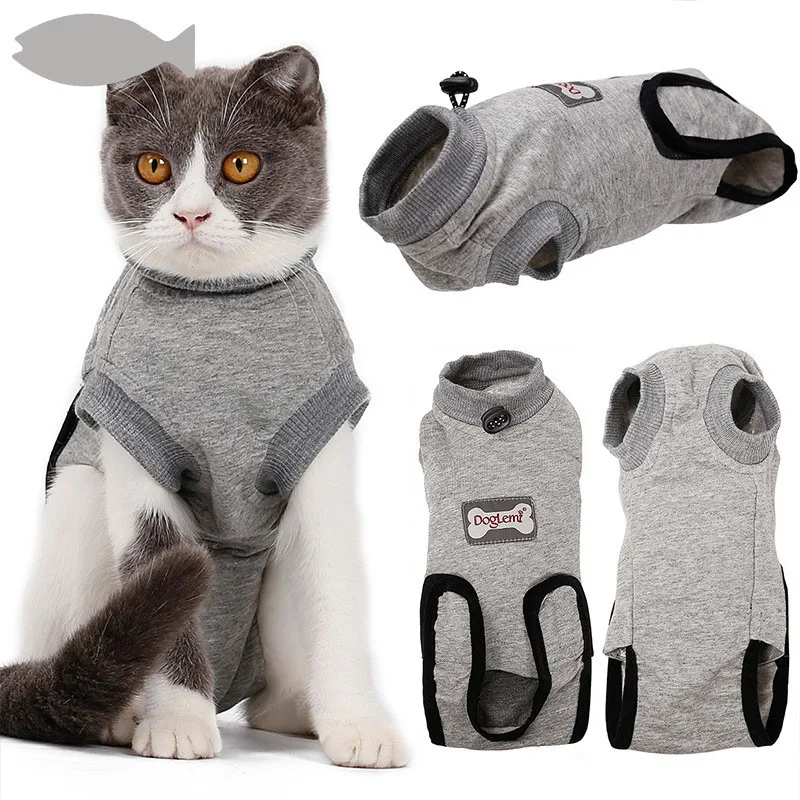
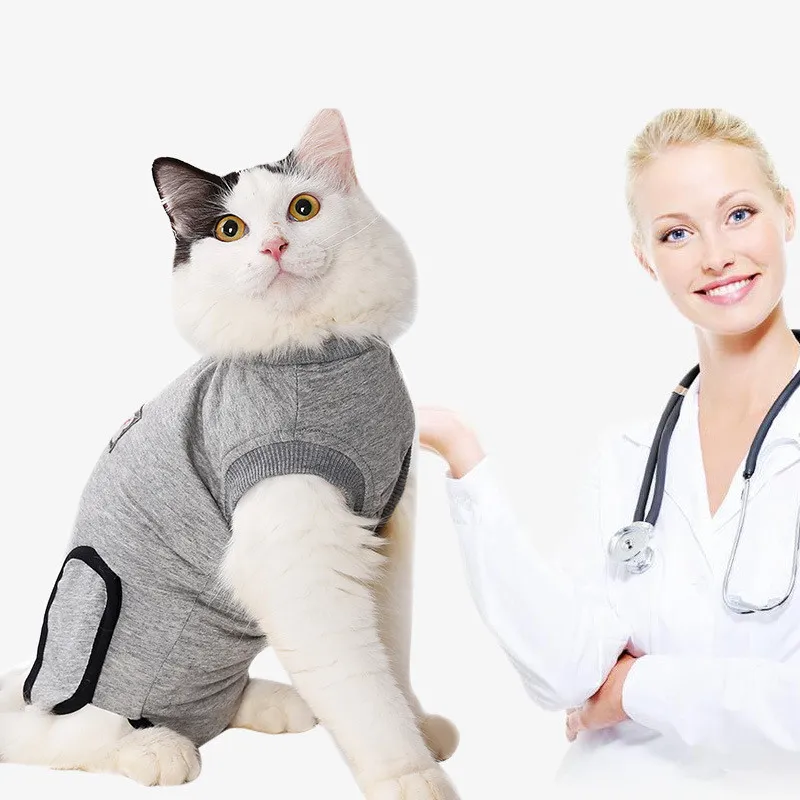
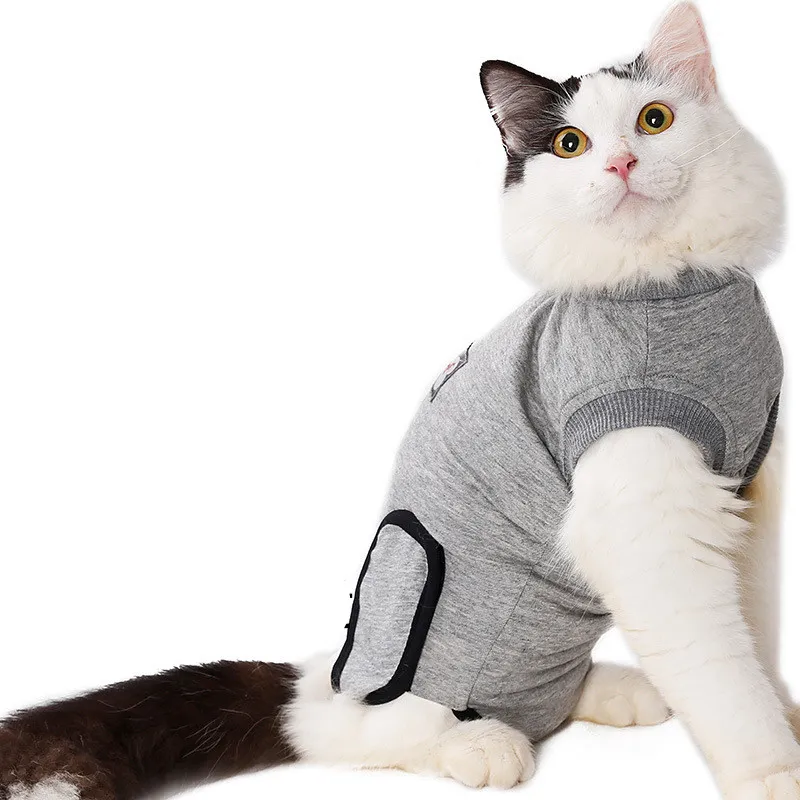
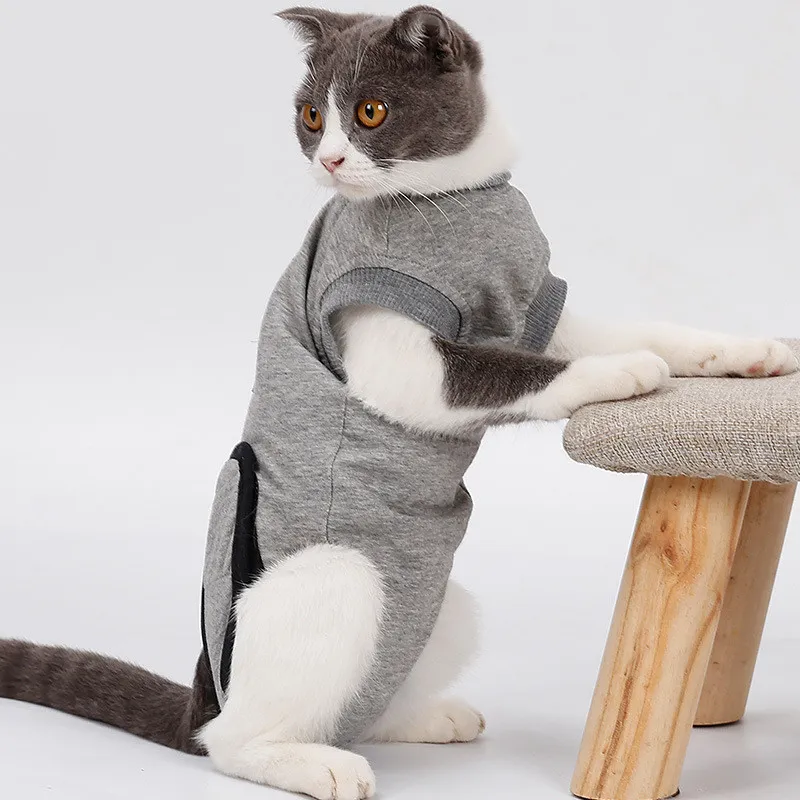
Sterilization Of Clothes
$29.99 AUD
Approx $20.99 USD
Description:
Product information:
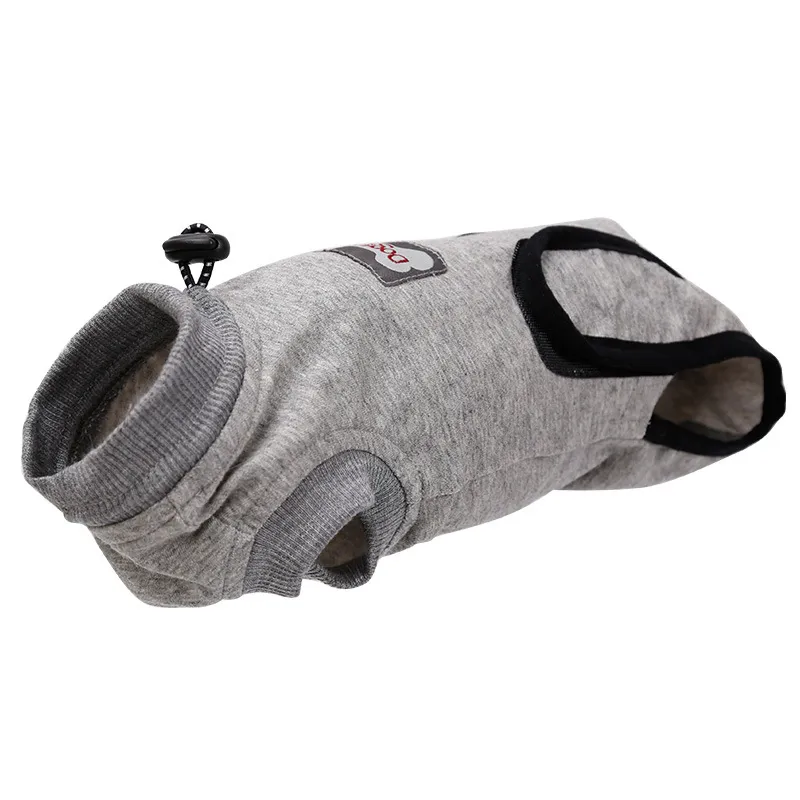
Material: Cotton
Product Category: Clothes
Style: European and American
Applicable gender: General
color: Gray
Size information:
Size: M

Sterilization of Clothes: Ensuring Clean and Safe Fabrables
Introduction
Sterilization of clothes is a critical process, especially in maintaining hygiene and preventing the spread of bacteria, viruses, and fungi. This is particularly important in various environments, such as hospitals, healthcare settings, or when managing items for newborns, those with sensitive skin, or individuals prone to allergies. While washing clothes with detergents removes dirt, sterilizing clothes ensures that harmful microorganisms are effectively eliminated, providing a higher level of cleanliness and safety.
Sterilization can be done using different methods, including heat, chemicals, or specialized equipment designed for killing germs. This guide provides an overview of the importance of sterilization, common methods, and when to apply these techniques to your garments.
Why Sterilize Clothes?
1. Hygiene Maintenance
Sterilizing clothes eliminates pathogens like bacteria, viruses, and fungi that may be present on clothing after exposure to contaminated environments. This is particularly crucial for items that come into contact with bodily fluids, medical equipment, or high-risk environments.
2. Preventing Skin Infections
Certain microorganisms can cause skin infections or exacerbate conditions like eczema or rashes. Sterilizing clothes can prevent these irritants from making direct contact with sensitive skin.
3. Removing Odors
Sterilization removes not just visible dirt but also the microbes responsible for body odor, ensuring your clothes smell fresh and are free of harmful microorganisms.
4. Preventing Allergens
Sterilization helps eliminate allergens such as dust mites and pollen, which can be especially important for individuals with asthma or allergies.
5. Protecting Babies and Children
Newborns and infants have delicate immune systems. Sterilizing their clothes ensures that they are free from potentially harmful germs, reducing the risk of infection.
Methods of Sterilizing Clothes
There are several ways to sterilize clothing, depending on the type of fabric, the level of contamination, and the available resources. Here are the most common methods:
1. Hot Water Washing
One of the simplest and most effective methods of sterilizing clothes is by using hot water in the washing machine. The high temperature can kill many harmful bacteria and viruses. Here’s how it works:
-
Temperature: Use water temperatures of at least 60°C (140°F) to ensure effective sterilization. This is the standard for
most household washing machines.
- Laundry Detergents: Combine hot water with a suitable detergent for enhanced effectiveness.
-
Suitable Fabrics: This method is ideal for cotton, polyester, and most other durable fabrics. However, delicate materials
like wool and silk may not withstand high temperatures.
2. Steam Sterilization
Steam is an excellent disinfectant, capable of penetrating fabric fibers to kill bacteria, germs, and allergens. This can be done using a steam iron or a steamer. Steam sterilization is suitable for delicate fabrics that cannot tolerate high temperatures or harsh chemicals.
-
How to Use: Hang the garment in a steamer or use a handheld steam iron to release steam onto the clothing for several
minutes.
- Advantages: No chemicals are involved, and it also helps in removing wrinkles and odors.
- Ideal for: Suits, dresses, and delicate fabrics.
3. Chemical Sterilization
Using disinfectants, like bleach or specialized laundry sanitizers, is an effective way to sterilize clothes. These chemicals kill bacteria, viruses, and fungi, making them a strong option for medical or high-risk environments.
-
Bleach: Regular chlorine bleach is effective in killing most bacteria and viruses. However, it is not recommended for
colored clothes, as it may cause discoloration.
-
Hydrogen Peroxide: A milder option, hydrogen peroxide can also sanitize fabrics without the harsh effects of bleach.
-
Laundry Sanitizers: There are commercial sanitizers designed specifically for laundry, which work well with various fabrics
and are safe for colors.
- Procedure: Follow the instructions on the product’s label for correct dilution and application.
4. UV Sterilization
UV-C light has proven to be effective in killing bacteria and viruses. Some high-end laundry equipment, such as washing machines and dryers with built-in UV sterilization technology, use UV light to disinfect clothes.
-
How it Works: UV-C light damages the DNA or RNA of microorganisms, rendering them unable to reproduce and effectively
neutralizing them.
- Advantages: No chemicals or high temperatures are used, making this method safe for all fabrics.
-
Limitations: Requires specialized equipment that is typically available in hospitals or professional cleaning services.
5. Dry Heat
Using a dry heat method, such as a heated tumble dryer, can help sterilize clothes. The heat from the dryer kills bacteria and other pathogens.
-
Procedure: Ensure the dryer is set to high heat and run it for a sufficient duration to reach temperatures that can kill
germs.
- Suitable Fabrics: This method works best for towels, bedding, and synthetic fabrics.
When to Sterilize Clothes?
1. After Illness
If someone in the household has been sick, sterilizing their clothes, bedding, and towels is important to prevent the spread of the infection to other members.
2. In High-Risk Environments
In hospitals, clinics, or nursing homes, staff may need to sterilize their uniforms, medical scrubs, and patient clothing regularly to ensure a sterile environment.
3. After Exposure to Contaminated Surfaces
Clothes that have been in contact with polluted or contaminated surfaces, such as in a construction site, post-disaster clean-up, or handling chemicals, should be sterilized to avoid potential health risks.
4. For Babies and Sensitive Skin
Baby clothes and items such as bedding and toys should be sterilized regularly to ensure they are free from harmful germs and allergens. Babies’ immune systems are still developing, making them more susceptible to infections.
5. Seasonal Cleaning
At the end of the winter season, when clothes may have been exposed to dirt, snow, or salt, sterilization ensures that they are free from microbes before storing them away for the next season.
Conclusion
Sterilization of clothes goes beyond just washing. It ensures that harmful bacteria, viruses, and allergens are effectively removed, providing a higher level of cleanliness and hygiene. Whether you're using hot water, steam, chemicals, or UV light, choosing the appropriate sterilization method will depend on the type of clothing, the environment, and the desired level of cleanliness.
Sterilizing clothes, especially in high-risk situations or for individuals with sensitive skin, is a crucial step in preventing infections and maintaining health. By adopting these methods, you can ensure that your clothes remain fresh, safe, and free from harmful microorganisms.
.png)