
Safest Way To Buy Online
Search for Safest Way To Buy Online on Gift Tree NZ — help us create one more Kiwi job!
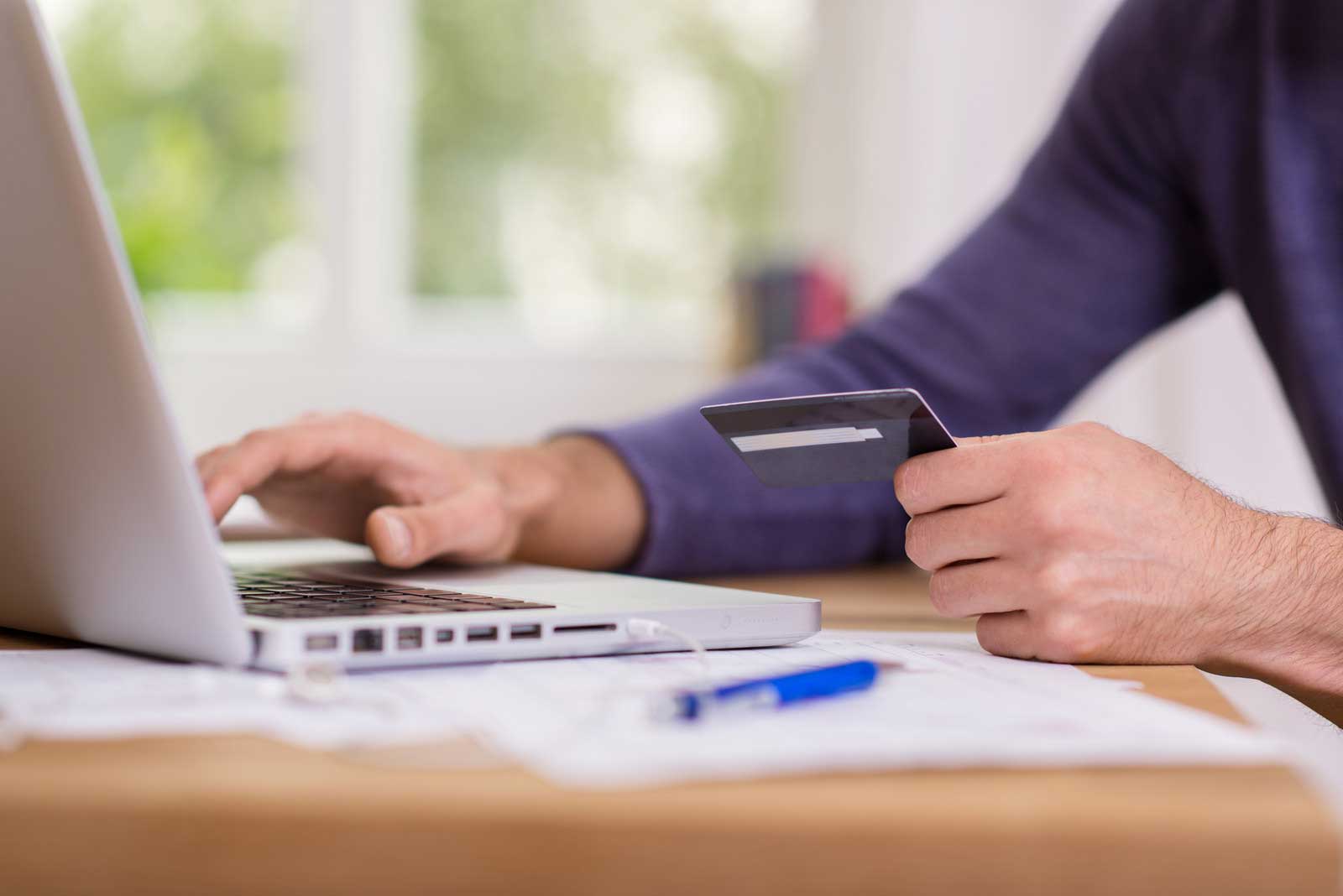
Shopping online offers convenience and variety, but it’s important to ensure that you are buying from secure and trusted sources. Online shopping can expose you to risks such as fraud, identity theft, and malware, but with the right precautions, you can make safe purchases without compromising your personal information. Here’s a guide to the safest ways to buy online, along with tips and best practices to protect yourself during your shopping experience.
1. Shop on Secure Websites
When shopping online, one of the first things you should check is whether the website is secure. The most reliable websites use HTTPS (HyperText Transfer Protocol Secure), which ensures that the communication between your device and the website is encrypted.
-
How to Check: Look for a padlock icon next to the URL in the browser’s address bar, indicating that the site is using
secure encryption.
- What to Avoid: Avoid websites that do not have HTTPS or show warnings of potential security risks.
2. Use Trusted and Well-Known Retailers
It’s safer to buy from well-established online retailers like Amazon, eBay, Walmart, or Best Buy. These websites have strong security measures in place, buyer protection policies, and good customer service.
-
Why It’s Safe: Trusted websites offer a secure checkout process and offer guarantees or refunds in case of fraudulent
transactions.
-
Beware of Unknown Retailers: Be cautious when shopping on unfamiliar websites, especially those offering goods at prices
that seem too good to be true.
3. Use a Secure Payment Method
When it comes to paying for your online purchase, using a secure payment method can add a layer of protection to your transaction.
-
Credit Cards: Credit cards are typically the safest method for online purchases because they offer fraud protection and the
ability to dispute charges. Many credit card companies also offer virtual cards for online transactions, which can be used for added
security.
-
PayPal: PayPal offers a secure payment option, as your financial information is not shared with the retailer. It also
provides fraud protection.
-
Avoid Debit Cards: Debit cards do not provide the same level of fraud protection as credit cards and may expose your bank
account directly to fraudsters if your card details are compromised.
4. Avoid Public Wi-Fi for Transactions
While shopping online, avoid using public Wi-Fi networks (like those in coffee shops, airports, or hotels) for making transactions. Public networks are less secure and more vulnerable to hacking.
-
How to Stay Safe: Use a VPN (Virtual Private Network) when shopping online on public Wi-Fi. A VPN encrypts
your internet connection, ensuring that your browsing and payment information remain private.
5. Use Two-Factor Authentication (2FA)
If available, enable Two-Factor Authentication (2FA) on your online shopping accounts. 2FA adds an extra layer of security by requiring you to verify your identity through a second method, such as a text message or authentication app, in addition to your password.
-
Why It’s Important: Even if someone gains access to your login credentials, they will still need to bypass the second layer
of security to access your account.
6. Read Reviews and Ratings Before Buying
Before purchasing from any online store, especially unfamiliar ones, take the time to read customer reviews and ratings. This can give you a better idea of the retailer’s legitimacy and the quality of the product.
-
What to Look For:
- Positive Reviews: Look for reviews on the product as well as the seller’s service and shipping.
-
Warning Signs: Be cautious of websites with very few reviews or overwhelmingly negative feedback. Also, check if reviews
seem to be fake or overly promotional.
- Positive Reviews: Look for reviews on the product as well as the seller’s service and shipping.
7. Keep Your Software and Antivirus Programs Updated
Always ensure that your device’s operating system and antivirus software are up to date. Security patches and updates help protect your device from potential threats like malware and viruses.
-
How to Stay Protected:
-
Install Anti-Malware Software: Use trusted antivirus software to prevent malware, which can steal personal information or
infect your device.
-
Enable Automatic Updates: Turn on automatic updates to ensure your software is always running the latest security features.
-
Install Anti-Malware Software: Use trusted antivirus software to prevent malware, which can steal personal information or
infect your device.
8. Monitor Your Accounts and Statements
After making an online purchase, regularly check your bank and credit card statements for any suspicious activity. Early detection can help minimize the impact of fraud or unauthorized transactions.
-
What to Look For:
- Unexpected Charges: Report any unfamiliar charges to your bank or credit card provider immediately.
-
Credit Monitoring: Consider enrolling in credit monitoring services to track any changes to your credit score or
unauthorized activity.
- Unexpected Charges: Report any unfamiliar charges to your bank or credit card provider immediately.
9. Avoid Clicking on Suspicious Links
Phishing scams often attempt to trick you into clicking on suspicious links sent via email, text, or social media. These links may lead to fake websites designed to steal your login credentials or financial information.
-
How to Stay Safe:
-
Don’t Click on Unknown Links: Avoid clicking on links from untrusted sources, especially those that claim you’ve won
something or offer deals that seem too good to be true.
- Check the URL: Always double-check the URL to ensure it’s legitimate and leads to a trusted website.
-
Don’t Click on Unknown Links: Avoid clicking on links from untrusted sources, especially those that claim you’ve won
something or offer deals that seem too good to be true.
10. Use Virtual Credit Cards for Extra Security
Some financial institutions and payment services (like PayPal) offer virtual credit cards that are specifically designed for online shopping. These cards use a unique card number for each transaction, helping protect your real credit card information.
-
Why It’s Safe: Virtual cards are disposable and cannot be reused, adding an extra layer of security during online
purchases.
Conclusion
Shopping online can be a safe and convenient experience if you take the necessary precautions. Always shop on secure websites, use trusted payment methods like credit cards or PayPal, and be mindful of potential scams. By following these tips and staying vigilant, you can significantly reduce the risks associated with online shopping and protect your personal information. With the right precautions, you can enjoy all the benefits of online shopping with peace of mind.
Enter your content here